


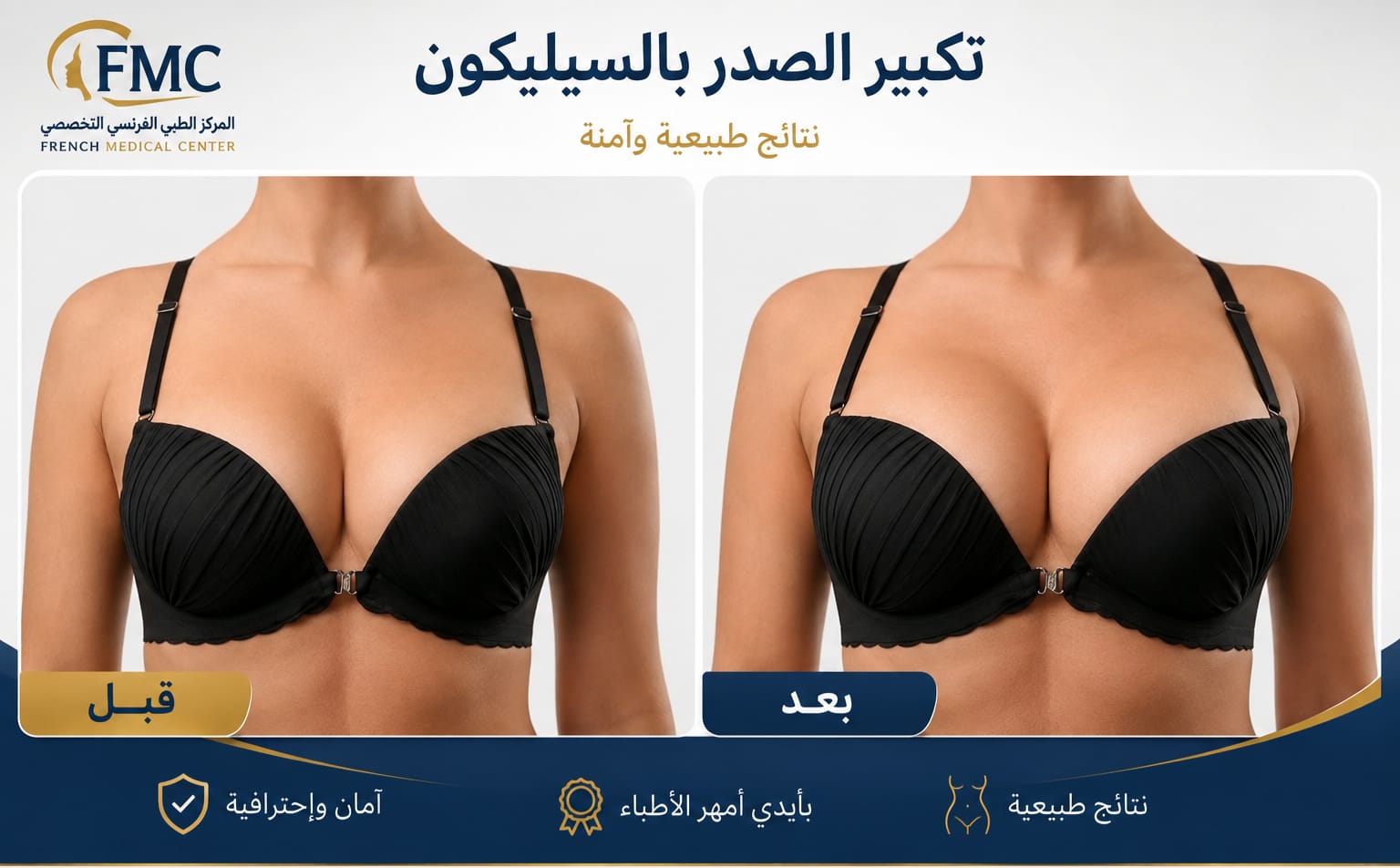
What is silicone breast augmentation?
Silicone breast augmentation is a surgical procedure that helps increase the size or improve the shape and fullness of your breasts using silicone gel-filled implants.
These implants have a silicone outer shell and are filled with a firm gel that closely resembles the look and feel of natural breast tissue. The implants can be placed under the pectoral muscle (below the pectoralis major muscle) or over it (below the mammary gland), depending on your individual case, body anatomy, and personal preferences.
Who are suitable candidates for breast augmentation?
You want to increase the size or improve the shape of your breasts for cosmetic reasons.
You want to restore breast volume lost after pregnancy, breastfeeding, or weight loss.
You want to correct asymmetrical breasts or reconstruct them after surgery, such as a mastectomy.
You are in good general health, have realistic expectations, and do not have any infections or untreated cancer. What are the steps of silicone breast augmentation?
Discussion with the doctor
Pre-operative preparation
Anesthesia
Surgical incision
Implant placement
Incision closure
Recovery
What are the potential risks and complications of silicone breast augmentation?
Although silicone breast augmentation is generally safe when performed by a qualified plastic surgeon, there are some potential risks and complications you should be aware of, including:
Infection
Bleeding or hematoma (blood collection)
Unwanted scarring
Contraction and hardening of the scar tissue around the implant, which may affect its shape
Implant rupture
Changes in breast or nipple sensation, either increased or decreased sensation
Pain
Dissatisfaction with the cosmetic result, which may require further surgery to correct the situation Common side effects and complications you may experience after silicone breast implant surgery include:
Breast pain.
Swelling or bruising in the area.
Changes in nipple or breast sensation, either increased or decreased.
Hardening or tightening of the tissue surrounding the implant due to capsule contraction.
Implant rupture or leakage of its contents.
Scarring.
Do silicone breast implants cause cancer?
Silicone breast implants have been linked to a very rare type of cancer called lymphoma. This type of cancer affects the immune system.
Although the risk is extremely low, the World Health Organization (WHO) and the U.S. Food and Drug Administration (FDA) acknowledge this risk.
It is important to note that, to date, there is no evidence to suggest that silicone implants increase the risk of breast cancer itself.
How long does the pain last after breast augmentation surgery?
Pain and discomfort are usually at their peak during the first few days after surgery, and then gradually improve over about a week.
Most women can return to light activities after a few days and often resume normal daily activities within a few weeks, although some pain or swelling may persist for a longer period, sometimes several weeks.
Is silicone breast augmentation painful?
The procedure itself is not painful because it is performed under general anesthesia. It is normal to experience some pain after silicone breast augmentation.
The pain is most intense during the first 1 to 3 days after surgery, then gradually subsides to become mild to moderate. This pain may last for one to two weeks. You can also expect to notice swelling and a feeling of tightness in the chest area, which usually lasts for 2 to 3 weeks, with some swelling potentially remaining for up to 3 months until the implants have fully settled.
You may also experience some sensations as the nerves heal, such as tingling, burning, numbness, or sharp pain. These symptoms may persist for several months, sometimes even 6 months or longer. However, most women feel significantly better and can return to their daily activities within 4 to 6 weeks after the procedure.
You may also experience some sensations as the nerves heal, such as tingling, burning, numbness, or sharp pain. These symptoms may last for several months, sometimes up to six months or more. However, most women generally feel a significant improvement and can return to their daily activities within four to six weeks after the procedure.
What is the best silicone breast implant size?
The ideal silicone breast implant size varies from woman to woman depending on body shape, breast anatomy, skin elasticity, and your aesthetic goals. Surgeons typically use tools such as sizing devices or 3D imaging to help you choose the most suitable and natural-looking size. It is important to choose a balanced size to avoid complications or dissatisfaction with the result.
Classification by Shape
Round Implants:
Teardrop or Anatomical Implants (Gummy Bear)
Classification by Texture
Smooth Surfaces
Textured Surfaces
Procedure Prices by Technique
* Breast Augmentation with Implants (Silicone/Saline): Starting from $2,500 to $5,000.
* Breast Augmentation with Autologous Fat Transfer: Ranging from $1,000 to $6,000 depending on the number of sessions and the amount of fat.
* Breast Lift or Reduction: Ranging from $2,000 to $6,000.
Factors Affecting Cost
* Technique: Combined surgical procedures (such as lift and augmentation) are more expensive.
* Surgeon's Experience: Fees charged by renowned surgeons with specialized expertise increase the overall price. * Hospital costs, accommodation level, and anesthesia: These include the operating room, anesthesiologist fees, and the type of implants used (silicone is more expensive than other alternatives).
For a more accurate estimate, please contact us at the French Specialized Medical Center. The final price will be determined after a medical examination and consultation.