


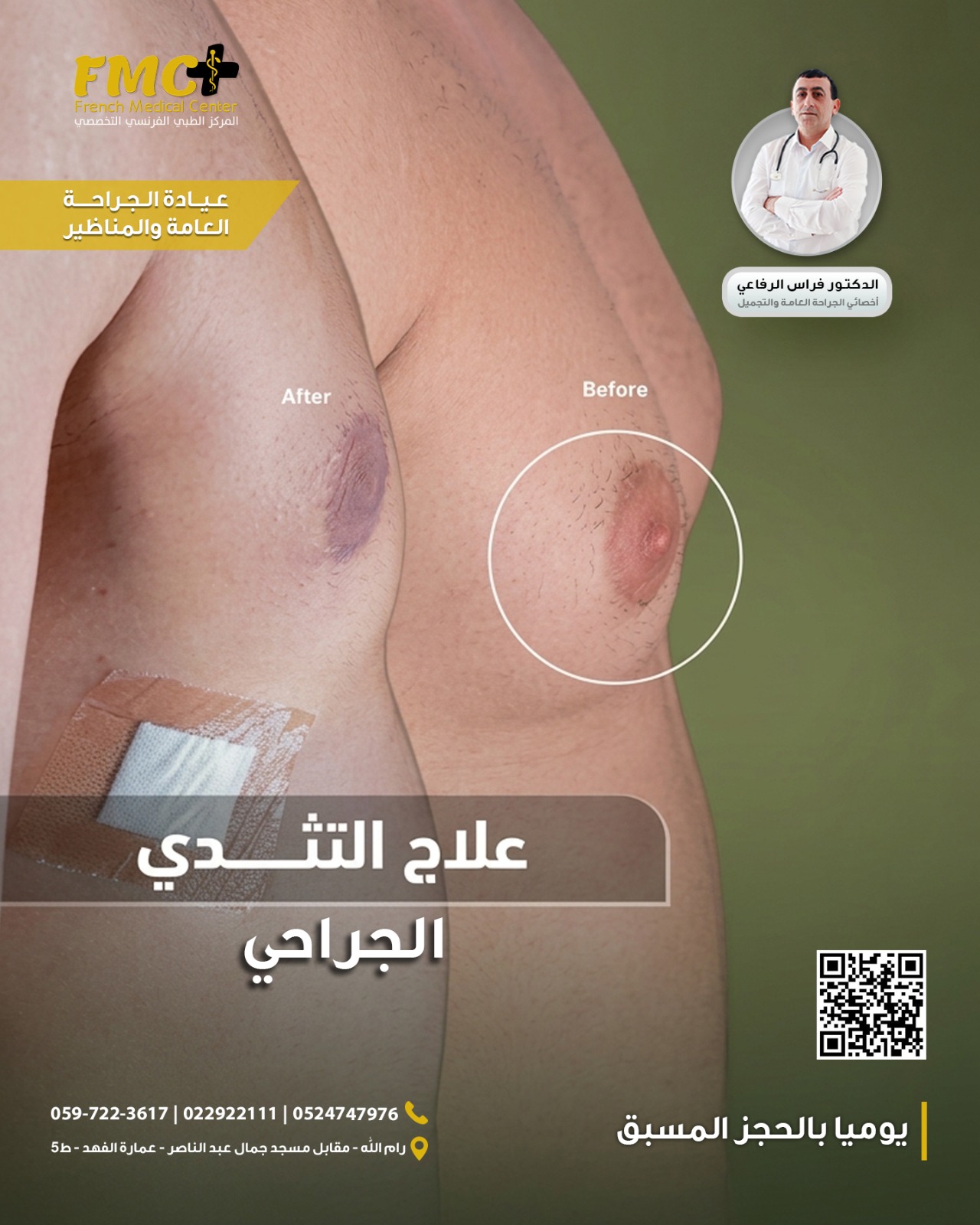
Can Gynecomastia Return After Surgery?
The Short Answer: Yes, especially if liposuction alone is performed without gland excision.
Studies suggest that the risk of recurrence is significantly higher when treatment relies solely on liposuction. Recurrence rates have been reported to range between 10% and 35%, depending on the severity of gynecomastia and the treatment approach used.
When liposuction is combined with surgical gland removal, the likelihood of recurrence decreases considerably, making it the preferred treatment option in many cases.
🔍 Why Can Gynecomastia Return After Liposuction Alone?
In cases of true gynecomastia, the enlargement is not caused by fat alone. It usually includes a firm glandular component located behind the nipple.
While liposuction effectively removes excess fat, it cannot completely remove dense glandular tissue. As a result, patients may experience:
1. Persistent Nipple Projection
Even after liposuction, a noticeable lump or prominence beneath the nipple may remain due to residual glandular tissue.
2. Gradual Recurrence
The chest may initially appear flatter, but over time the remaining glandular tissue can become more noticeable, especially if weight gain or hormonal triggers are present.
📊 What Do Studies Show?
Research has demonstrated that:
- Recurrence rates may reach 35% when liposuction is performed without gland removal.
- Recurrence rates decrease significantly when liposuction is combined with gland excision.
- Revision or secondary surgery is more common after liposuction-only procedures.
- Residual glandular tissue is one of the most common reasons for persistent or recurring chest enlargement.
⚠️ What Increases the Risk of Recurrence?
Even after successful surgery, gynecomastia may return in certain situations, including:
Weight Gain
Significant weight gain can lead to fat accumulation in the chest area and negatively affect the surgical outcome.
Anabolic Steroid Use
Anabolic steroids are among the strongest factors associated with the recurrence of gynecomastia, particularly in bodybuilders and athletes.
Hormonal or Medication-Related Causes
Certain medications and hormonal imbalances can increase estrogen levels and contribute to recurrence.
✅ Medical Advice
For patients seeking a long-lasting and flatter chest contour, it is important to discuss the possibility of combining:
Liposuction + Surgical Gland Excision
This combined approach is considered the gold standard treatment for gynecomastia, as it addresses both fatty and glandular tissue while minimizing the chance of recurrence.
🩺 Important Note
This information is intended for educational purposes only and should not replace a professional medical consultation. Every case is different and should be evaluated based on the severity of gynecomastia, tissue composition, and underlying hormonal factors.
Consultation with Dr. Firas Al‑Rifai can help determine the most appropriate treatment plan for your specific condition.
#Gynecomastia #MaleBreastReduction #GynecomastiaSurgery #Liposuction #PlasticSurgery #BodyContouring #CosmeticSurgery