


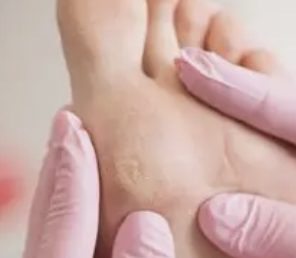
Corns and Calluses: Symptoms, Causes, Prevention, and Treatment
Understanding Thickened Skin and How to Protect Your Feet from Pressure and Friction
Corns and calluses are common skin conditions that develop when the skin tries to protect itself from repeated friction or pressure. These thickened areas of skin most commonly appear on the feet and toes, but they may also develop on the hands due to repetitive use of tools or instruments. [mayoclinic.org]
🩺 What Is the Difference Between Corns and Calluses?
| Condition | Description |
|---|---|
| Corns | Small, thickened areas of skin with a hard center. They are often painful when pressure is applied and commonly develop on the tops or sides of the toes. |
| Calluses | Larger areas of thick, rough skin that usually form on weight-bearing or high-pressure areas such as the heels, soles of the feet, or palms of the hands. They are generally less painful than corns. |
Corns tend to be smaller and deeper than calluses, while calluses are usually broader and less sensitive. [mayoclinic.org]
⚠️ Common Symptoms
Symptoms may include:
- Thickened, rough skin
- Hard, raised bumps
- Tenderness or pain under the skin
- Dry, flaky, or waxy skin
- Discomfort while walking or wearing shoes
🔍 What Causes Corns and Calluses?
Corns and calluses develop as a result of repeated friction and pressure on specific areas of the skin.
👟 Improper Footwear
- Tight shoes
- High heels
- Shoes that are too loose
- Poorly fitting socks
Improper footwear can increase pressure on certain parts of the foot and promote skin thickening. [mayoclinic.org]
🦶 Wearing Shoes Without Socks
Walking or exercising without socks can increase friction between the skin and footwear. [mayoclinic.org]
✋ Repetitive Hand Activity
Using hand tools or playing musical instruments frequently may lead to callus formation on the hands. [mayoclinic.org]
🧬 Genetic Factors
Certain inherited foot shapes or skin characteristics may increase susceptibility to developing corns and calluses. [mayoclinic.org]
📋 Risk Factors
Risk factors include:
- Wearing shoes that create friction or pressure.
- Foot deformities such as hammertoe or bunions.
- Hereditary predisposition to callus formation.
🚨 When Should You See a Doctor?
Consult a healthcare provider if:
- A corn or callus becomes painful.
- The area becomes inflamed, red, or swollen.
- You have diabetes.
- You have poor circulation or conditions affecting blood flow to the feet.
🩹 Treatment
In many cases, corns and calluses improve once the source of pressure or friction is removed.
Treatment options may include:
- Wearing properly fitted footwear.
- Using protective pads or cushions.
- Safe removal of thickened skin by a healthcare professional.
- Treatment of underlying foot deformities when necessary.
✅ Prevention Tips
👞 Choose Proper Footwear
Wear comfortable shoes with enough room for your toes to move freely and avoid shoes that place excessive pressure on specific areas of the foot. [mayoclinic.org]
🧦 Use Protective Padding
Consider using:
- Cushioned pads
- Toe separators
- Protective dressings
These can reduce friction and prevent skin thickening. [mayoclinic.org]
🧤 Protect Your Hands
When using tools for long periods, wear padded gloves or use protective coverings on handles. [mayoclinic.org]
🎯 Conclusion
Corns and calluses are common skin conditions caused by repeated pressure and friction. Although they are usually not serious, they can cause discomfort and interfere with daily activities. Proper footwear, good foot care, and early treatment can help prevent complications and improve comfort. [mayoclinic.org]
#CornsAndCalluses
#FootHealth
#FootCare
#Podiatry
#FootPain