


Colon Cancer Surgery: Diagnosis, Treatment Options, and Recovery
A Comprehensive Guide to Understanding Colon Cancer and the Role of Surgery in Treatment
Colon cancer is one of the most common cancers affecting the digestive system. It develops in the large intestine (colon) and often begins as small, benign growths known as polyps that may gradually transform into cancer if left untreated.
Early detection significantly improves treatment outcomes, making screening and timely diagnosis essential for successful management.
🩺 What Is Colon Cancer?
Colon cancer occurs when abnormal cells in the lining of the colon begin to grow uncontrollably. Over time, these cells can form tumors that may invade nearby tissues or spread to other parts of the body.
Most colon cancers develop slowly over several years, often starting as precancerous polyps.
⚠️ Common Symptoms
Symptoms may vary depending on the stage of the disease and can include:
- Persistent changes in bowel habits
- Chronic diarrhea or constipation
- Blood in the stool
- Abdominal pain or cramping
- Unexplained weight loss
- Ongoing fatigue and weakness
- Iron‑deficiency anemia caused by chronic blood loss
Some individuals may experience no symptoms during the early stages of the disease.
📋 Risk Factors
| Risk Factor | Description |
|---|---|
| Age | Risk increases significantly after age 50. |
| Family History | Having close relatives with colon cancer increases risk. |
| Colon Polyps | Certain polyps can develop into cancer if untreated. |
| Inflammatory Bowel Disease | Chronic inflammation can increase the likelihood of cancer. |
| Obesity | Associated with a higher incidence of colon cancer. |
| Smoking and Alcohol Use | Both may increase cancer risk. |
| Poor Diet | Diets high in processed meats and saturated fats may contribute to the disease. |
🩻 How Is Colon Cancer Diagnosed?
Diagnosis often involves a combination of:
- Medical history and physical examination
- Blood tests
- Stool testing
- Colonoscopy with biopsy
- CT scans and MRI scans for staging purposes
These tests help determine the size, location, and extent of the tumor.
⚙️ When Is Surgery Needed?
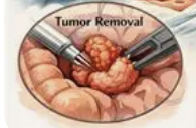
Surgery is considered the primary treatment for many patients with colon cancer, especially when the tumor is localized and can be removed completely.
The goals of surgery include:
- Removing the cancerous tumor
- Removing affected portions of the colon
- Removing nearby lymph nodes
- Preventing disease progression
- Improving long‑term survival
🏥 Types of Colon Cancer Surgery
1. Partial Colectomy
The surgeon removes the section of the colon containing the tumor and reconnects the remaining healthy bowel segments.
2. Total Colectomy
In selected cases, the entire colon may need to be removed.
3. Laparoscopic Surgery
A minimally invasive procedure performed through small incisions, resulting in less pain and faster recovery.
4. Robotic-Assisted Surgery
Advanced technology that allows greater precision and control during complex procedures.
💊 Additional Treatments
Depending on the cancer stage, surgery may be combined with:
- Chemotherapy
- Targeted therapy
- Immunotherapy
- Radiation therapy in selected cases
The treatment plan is individualized for each patient.
⏳ Recovery After Surgery
Recovery varies according to the extent of surgery and the patient's overall health.
Patients are typically advised to:
- Gradually resume daily activities
- Follow dietary recommendations
- Attend scheduled follow‑up visits
- Monitor for any unusual symptoms
Complete recovery may take several weeks.
✅ Survival and Prognosis
The outlook for colon cancer depends largely on:
- The stage at diagnosis
- Tumor size and location
- Whether the cancer has spread
- Response to treatment
- Overall health condition
Early-stage colon cancer generally has significantly higher treatment success rates.
👩⚕️ The Importance of Early Screening
Routine screening plays a crucial role in preventing colon cancer by identifying and removing precancerous polyps before they become malignant.
Regular colonoscopy examinations can greatly reduce the risk of advanced disease.
🎯 Conclusion
Colon cancer surgery remains one of the most effective treatment options for patients with localized disease. Combined with early diagnosis, appropriate medical care, and ongoing follow‑up, surgical treatment can significantly improve outcomes and quality of life.
#ColonCancer
#ColonCancerSurgery
#CancerTreatment
#Colonoscopy
#DigestiveHealth